

Atkinson Moss Leadership recruitment discuss: Why Not-for-Profit Leadership is a Different Breed
In the world of commercial recruitment, we often talk about KPIs, market share, and EBITDA. But in the Not-for-Profit (NfP) sector, the "bottom line" is human, environmental, or societal. At Atkinson Moss, as we partner with charitable organisations across Norfolk and East Anglia to find their next leaders, we’ve observed a fundamental truth: leading a charity isn't just "business-lite" it is arguably more complex than the corporate equivalent.
1. The Multi-Staked Reality
In a PLC, the primary goal is usually clear: shareholder value. In a Not-for-Profit, a CEO answers to a diverse and often conflicting web of stakeholders. You are balancing the needs of beneficiaries, the passionate (and sometimes protective) views of long-term volunteers, the strategic oversight of a Board of Trustees, and the stringent requirements of institutional donors.
2. Influence Over Authority
In commercial settings, “command and control” can still be found in the wild. In a charity, much of your workforce may be volunteers or mission-driven professionals who aren’t there for the paycheck. Leadership here is about soft power. It’s the ability to inspire a collective vision where you cannot simply rely on contractual levers to ensure performance.
3. Frugality vs. Investment
NFP leaders face the “Non-profit Paradox.” To grow impact, you need to invest in talent and infrastructure, yet there is constant public and donor pressure to keep overheads—including executive pay—to an absolute minimum. Navigating this tension requires a leader who is both a savvy financier and a master of transparent communication.
4. High-Stakes Emotional Intelligence
When your “product” is a service for the vulnerable or the preservation of our local heritage, the emotional stakes are high. Leaders must manage “compassion fatigue” within their teams while maintaining their own resilience. It is a marathon run at a sprinter’s pace.
Based on my experience, and observation, the most successful NFP leaders that are placed aren’t just those with the best CVs; they are “bilingual.” They speak the language of commercial efficiency but are rooted in a deep, authentic commitment to the cause.
Resources:
If you are currently leading an organisation or aspiring to a Trustee or CEO role, these resources provide the essential framework for navigating the current landscape:
Governance & Regulation
- The Charity Governance Code: The gold standard for how a board should operate. Essential reading for any leader looking to align their relationship with their Trustees. charitygovernancecode.org
- The Charity Commission (CC3): The essential "The Essential Trustee" guide. Even for CEOs, understanding the legal duties of your board is critical. gov.uk/government/organisations/charity-commission
Leadership Development & Insight
- ACEVO (Association of Chief Executives of Voluntary Organisations): The premier network for NfP leaders in the UK. Their annual "Pay and Equalities Survey" is a benchmark for the sector. acevo.org.uk
- NCVO (National Council for Voluntary Organisations): Provides excellent roadmaps on the "Road Ahead" for the sector, focusing on economic and political trends. ncvo.org.uk
- The Directory of Social Change (DSC): Excellent for practical leadership training and funding intelligence. dsc.org.uk
Local & Regional Support (Norfolk/East Anglia)
- Community Action Norfolk (CAN): The go-to for localised trends and support within the Norfolk voluntary sector. communityactionnorfolk.org.uk
- Norfolk Community Foundation: A vital resource for understanding the local funding landscape and community needs. norfolkfoundation.com
Speaking with local NFP leaders:
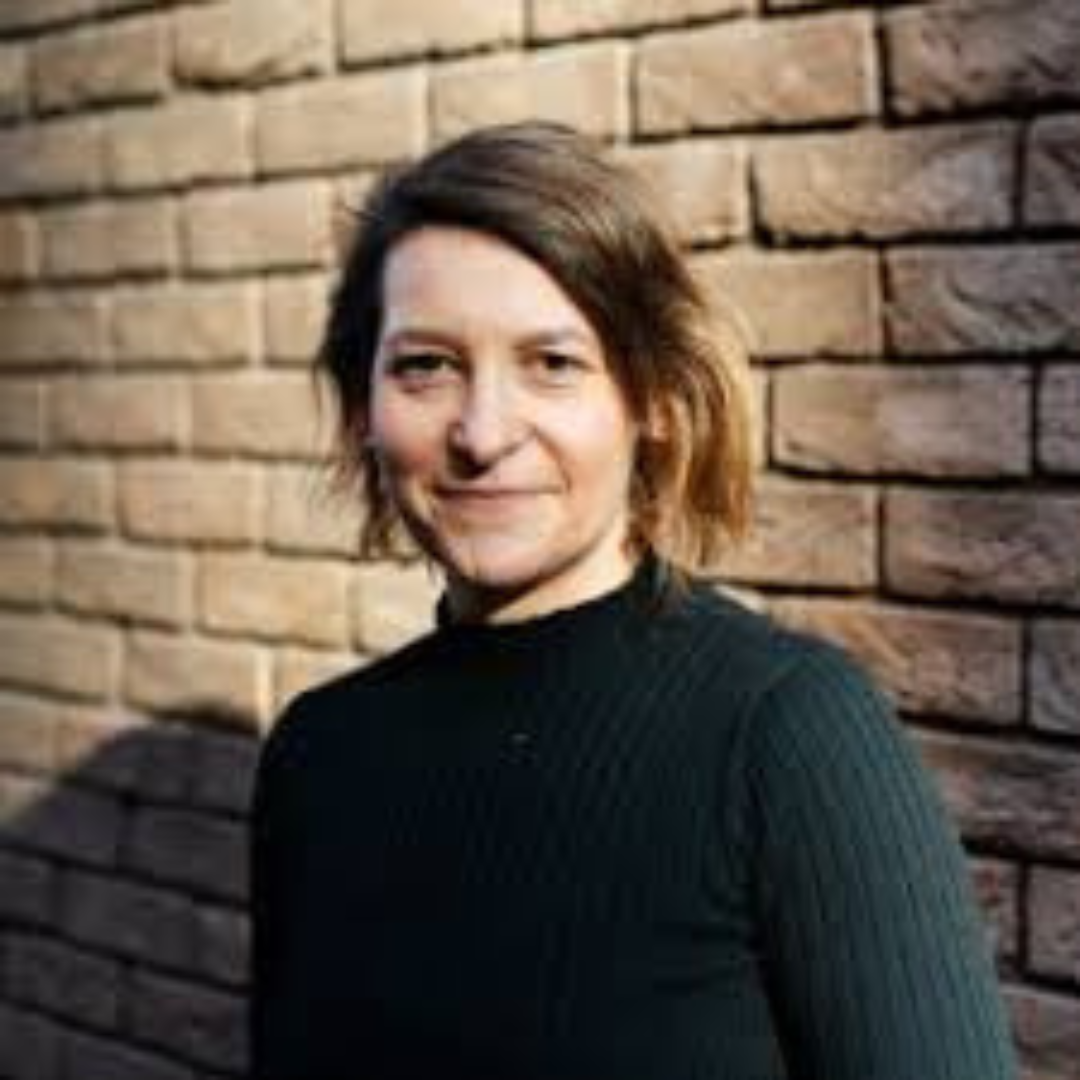
Amy Griffiths
CEO at The Feed
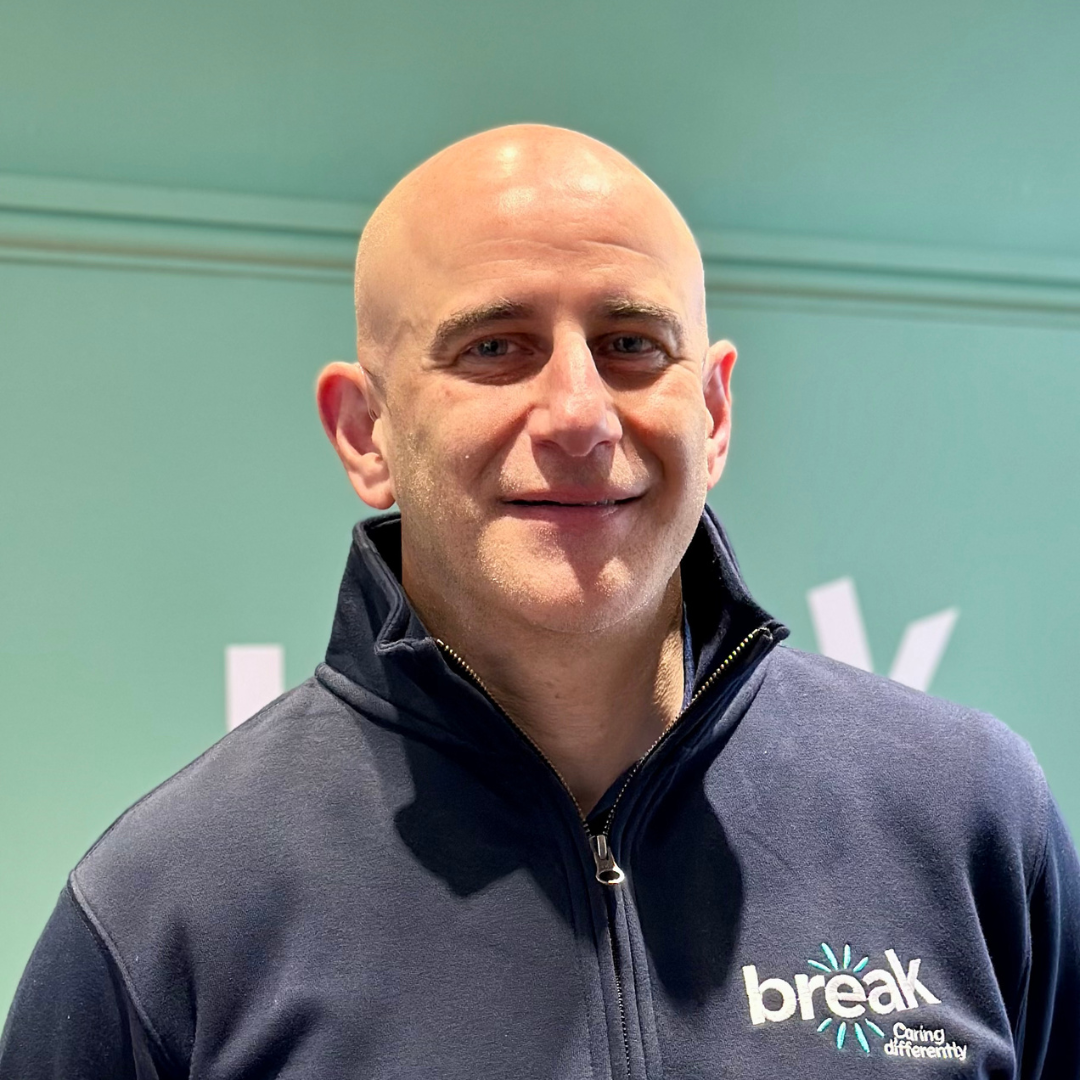
Neil Park
Head of Marketing and Communications at Break
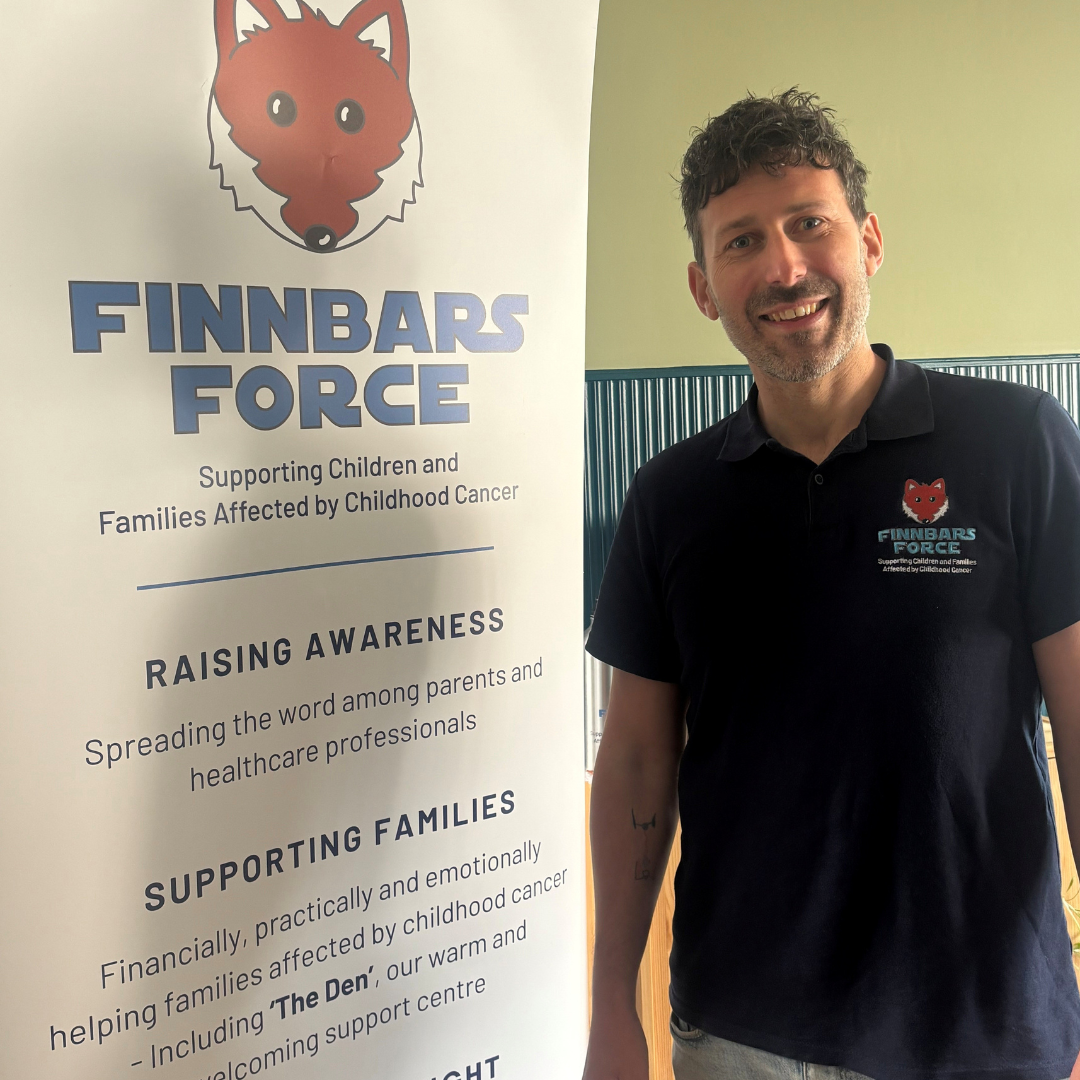
Tristian Cork
Founder of Finnbar's Force
What drew you to the mission-driven sector, and how has your leadership style evolved?
Amy
This is a good question and my answer isn’t too mind-blowing – just a wiggly career path. I didn’t have a calling to the mission-driven sector, I just enjoyed all it could achieve when I found it.
I was coming out of Management roles in Careers, Education and Libraries about 8 years ago and moving to the wonderful Norwich. I knew I didn’t want to go back into Education as for me, now looking back, I hated it. I hadn’t realised how stifling and un-me that environment was until I left.
A job at Citizens Advice came up and it offered breadth, a research base and the opportunity to work with and meet lots of different people which I love doing. It also offered fast track training in advice and guidance and Supervisor skills. I worked part time and also freelance as a Marketing and Content Creator. I felt this combination was good for me – as opposed to deskilling, which can happen when family and children happen, I stayed technically skilled whilst also learning new skills and challenging myself. Then, as what happens a lot in not for profit, funding gets cut and you get shunted around a bit. Then the opportunity to be Ops Manager at another Citizens Advice came up.
The salary was awful. I was on quite a bit less than what I’d been on when I worked in schools. But it was then that I suddenly felt I had the power to change things not just for the community but also for employees…
I made it my mission for wages and benefits to be improved where I worked, but also to create a positive and inclusive culture where people felt like they wanted to bounce to work on Monday or mostly! I can absolutely say I did that and brought people along on that journey.
My leadership style has always valued people and taking a strengths-based approach. A great manager said to me it’s about quality not quantity and I’m a firm believer in that – do what you do, but do it well. The 80:20 approach.
But of course, it has to be said I was drawn to The Feed for its very clear mission: to support people to eat well, live well and feel connected through our food and spaces. And the food we create is the best corporate catering you’ll find in Norwich – it really is very tasty, colourful and nourishing. It’s nice to be able to say that.
Neil
Coming from a retail background, the most significant shift has been moving away daily/weekly/month sales targets toward a focus on a larger purpose. Moving to my current role for a change was simply because I wanted to make a tangible, visible impact.
At Break, we operate in an environment of ‘co-production.’ The people we serve are right there alongside us. This allows you to see the direct results of your work but also fosters a level of open communication that often gets lost in the corporate world. Where you can speak to those your work will be directly impacted.
Tristian
In all honesty, I didn't choose the charity sector as a career choice. As with many founders I was driven by a sense of necessity to effect some positive change following my own lived experience.
Finnbar's Force was born from the loss of our son Finnbar to a brain tumour when he was five years old. There was no career plan, no real strategy for the charity, just the belief that I could make a difference to families in the future, by closing some of the gaps that we found in the support on offer. I think a big part of it, for me, was also the determination to keep Finnbar’s name alive – I think that it was my way of keeping a bit of him alive.
I have had experience of leadership from a few positions in my career in the NHS, including within the ambulance service and as the lead for the resuscitation area of the local emergency department – a particular challenge throughout COVID – and I have always had a keen interest in leadership styles and in how to be an effective leader.
I do think leading a charity has changed me as a leader. In my earlier career, leadership felt more transactional perhaps – a bit more about motivating a team to achieve goals, outputs, performance. Now I think it's more relationship driven. I think more of my decision making is focused through the lens of lived experience and in the context of; what does this mean for a family going through the journey of childhood cancer, the uncertainty of not knowing what comes next? That keeps you honest and I think leaves little room for ego.
My style has shifted from directing people to a more convening style, bringing people together around a shared purpose rather than driving them toward a target. When your mission is this personal and the impact of what you are doing can be life changing, authentic leadership isn't really a choice, it's more of a necessity.
How do you balance the needs of boards, donors, trustees, and volunteers simultaneously?
Amy
I like it really. All stakeholders have an important part to play in the success of charities and will need or expect different things from me as CEO.
What I probably learnt the hard way is don't talk yourself into something you can't deliver or evidence. For example, when I was demanding extra holiday for everyone, what was I basing it on? How would I still deliver the service whilst everyone's enjoying their holiday piña coladas? So yes, there were a couple of 'oh yeah moments'! But that's just learning, and the board being good enough to support and recognise that.
Then the flip side of the evidence base and analytics is the creative and ideas side of things. It's ok to come up with different ideas and different ways of thinking and to be supported in that by your donors, board and people. Ultimately as a leader I also want to flip that and promote innovative thinking amongst our stakeholders. We have Friends of The Feed, who pay a Friend fee to be our friends. Our fundraising Manager brings us all together - we network, eat The Feed food to fuel our brains and, ultimately, we test ideas and ask them for their perspective. It's a great initiative and they're very supportive.
Neil
I’m fortunate that my varied career has allowed me to see things from multiple perspectives; I can usually understand not just what stakeholders are asking for, but the more important why.
Within the Marketing team we are good at planning our projects, that said, the Care environment is uniquely unpredictable. Our care teams working are 24/7, 365 days a year with young people who are often navigating adversity so complex issues can arise without warning. It took time to adapt to that and accept that no matter how much you prepare, the unexpected is inevitable. Fortunately, the network of people at Break are incredibly uplifting I know there’s nothing we can’t tackle together.
Tristian
It can be a struggle! And one that I haven’t overcome as yet, but it is a learning experience, and I think the honest answer is that it requires a kind of discipline that you sometimes learn the hard way. In the early days, I was probably more inclined to treat each stakeholder relationship slightly differently – I was more inclined to tell people what they wanted to hear, protect them from difficult realities, be cautious at times rather than bold, especially with trustees. I think it took a while to understand that more honesty is required than that.
What I've landed on is a kind of radical consistency, I suppose. The same honesty, the same values, the same version of the story - whether I'm addressing the board, speaking to potential major donor or thanking a volunteer at an event. I think that consistency breeds; it develops a positive culture within your team and inspires confidence in your followers, supporters and beneficiaries. People can tell when you're performing leadership rather than living it.
The other thing I'd say is that accountability to multiple stakeholders isn't actually a burden, it's a safeguard that provides reassurance that you are following the right path. Our trustees challenge, our donors ask hard questions, our volunteers tell us when something isn't working. When you embrace that rather than manage it, you make better decisions - it helps keep you sharp.
How does your approach to recruiting and retaining talent change when you can't always compete with corporate salaries?
Amy
Yes, as I've mentioned previously, some salaries are not great. So I do also focus on the overall employee experience and culture. The recruitment journey starts with your brand and marketing and people's outward experience of you. People do need to feel that they're part of something from the outside, but that also must be true and real inside the organisation too.
In terms of retention and creating the right culture - that doesn't mean "oh we just need to be nice". I think it comes from being present and available, clear communication, setting expectations, answering clearly, and explaining the 'why', and also saying when I don't know but we'll find out. But also, just getting it that people are people with lives, who deserve the right to switch off and have fun or quality time.
Also, I think there's a line with complicated benefit packages which seem like a great idea with all the whistles and bells but are undeliverable as a small not for profit. A good place to start is asking what would actually benefit an employee or volunteer - for example, flexible working and making it happen, or 50% off catering (we do both!).
Retaining people comes down to them feeling they know where they fit in and being proud of being part of something meaningful. The Feed is good for that - people are proud to be part of a local not for profit which provides clear social value, and they're passionate about how they are part of delivering that.
Neil
While the salary gap is a common talking point, we find that people increasingly value mental wellbeing and lifestyle balance factors that are often overlooked in other industries. We take great pride in offering an elevated benefits package, including a generous holiday allowance and access to counselling and wellbeing services, which are vital for our frontline staff who deal with emotional cases.
The fact that so many people choose to stay in the charity sector long-term proves that the fulfilment and support found here often outweigh a corporate pay check.
Tristian
You have to be honest about it from the very first conversation. If someone is primarily motivated by financial reward, we're probably not the right fit anyway and that's fine. But the people who are drawn to this kind of work are often motivated by something deeper: purpose, autonomy, the sense that what they do genuinely matters.
What we offer instead is the chance to make a difference. Our team members aren't selling something for a profit; they're helping to change lives. They're creating the opportunity for a family going through one of the worst things imaginable to access support that makes a real difference. You can't put a salary figure on that.
We invest heavily in culture, flexibility and development. We're transparent about our constraints and generous with trust. We treat people as whole human beings, not resources. And we're honest about the emotional weight of the work, which means we take wellbeing seriously and build it into how we operate, not just as a policy commitment.
The people we retain long-term will be those who feel genuinely valued and connected to our mission and that falls squarely as a leadership responsibility.
What is the biggest misconception people have about leadership in the NFP world?
Amy
Actually, I don't think there are misconceptions about NFP leadership — the burnout, the funding pressures, the short-term thinking, they're all true!
But in my experience the overall satisfaction, variety and direct impact outweigh it. We're ultimately entrusted with funding, donations and trading income to make a real difference. When someone tells us they could finally afford a nourishing meal for their family through our Social Supermarket, or that a community café meal was the first time they'd spoken to anyone in a week - that's what makes it worth it.
Neil
The biggest misconception is likely about the level of talent. The NFP world is home to exceptionally skilled professionals who deserve the same recognition as their corporate counterparts.
People also don't realise how much variety there is behind the scenes. We are privileged to work on such vibrant, diverse projects like the GoGo Safari that are far from 'run-of-the-mill.' It’s a demanding world, but it’s also an incredibly fun one, where you can find yourself working on unique projects.
Tristian
That’s a good question! I wonder if there is sometimes a belief that it's somehow easier, or less rigorous, than leading a commercial organisation.
In reality, you could argue that it's harder - you're balancing financial sustainability with ethical purpose - making difficult decisions about resource allocation when the stakes are a family's wellbeing, not a profit margin, and you're leading people who care deeply – all of which can mean the emotional load on a leader can be significant.
Another misconception might be that NFP leaders are purely altruistic and therefore shouldn't need to be ambitious or strategic. But this just isn’t the case - ambition and compassion aren't opposites. At Finnbar's Force, we have a three-year strategy, income targets, a development pipeline and a growth plan. We think hard about sustainability, scalability and impact measurement. We just happen to measure success in families supported and lives changed, rather than profit made or shareholder return.
If anything, the absence of profit as a guiding principle forces you to be clearer about your values and more rigorous about your impact. I don’t think that’s a weakness – it might just be a discipline that commercial leaders could learn from.